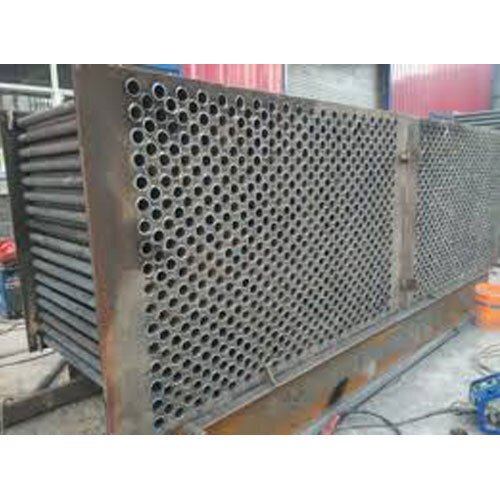
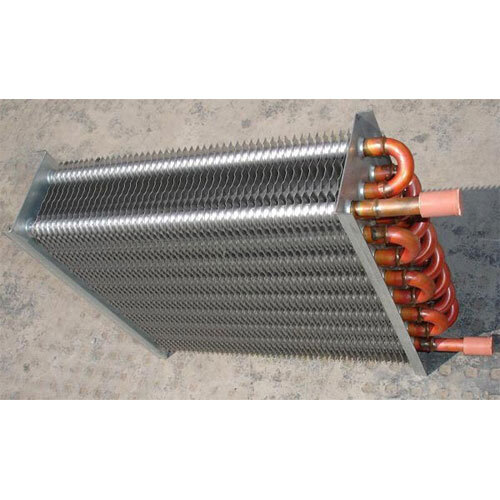
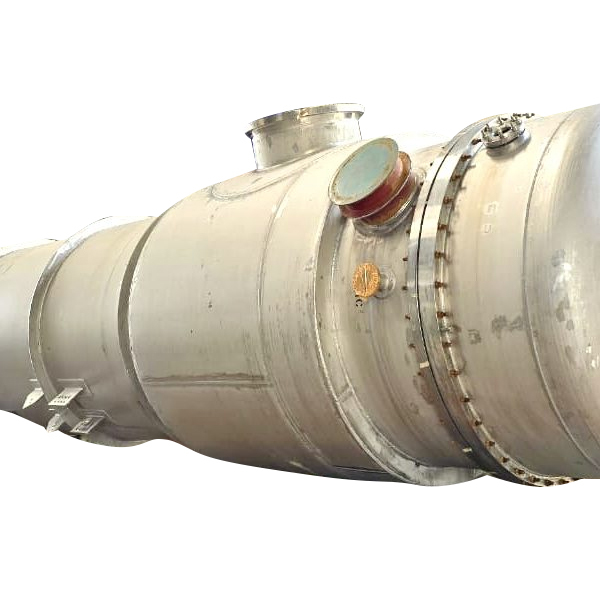
The Air Preheater (APH) is an advanced industrial device designed to enhance energy efficiency by preheating air before it enters combustion chambers or process systems. Operating at a voltage of 220 volts, the APH showcases superior performance in industrial applications. Its standard size ensures compatibility with various setups without complex adjustments, while its grey color adds a professional and uniform aesthetic to your environment. Manufactured under stringent quality standards, this modern heating solution is delivered in impeccable condition and is ideal for industries seeking optimized thermal processes. Whether you need assistance with installation or ongoing support, this product is backed by service expertise to ensure seamless operation.
An Air Preheater (APH) is a heat exchanger used to preheat the air before it enters the furnace or combustion chamber of a boiler, furnace, or engine. The preheating process improves thermal efficiency, reduces fuel consumption, and enhances overall combustion performance.
Purpose of an Air Preheater
- Increases efficiency by recovering waste heat from flue gases.
- Preheats combustion air, making fuel burn more efficiently.
- Reduces fuel consumption and operating costs.
- Decreases emissions by promoting more complete combustion.
Working Principle
- Hot flue gases exit the boiler or furnace.
- These gases pass through the air preheater and transfer heat to the incoming cold air.
- Preheated air is then directed into the combustion chamber, while cooled flue gases go to the chimney or economizer.
Types of Air Preheaters
| Type | Description |
| Rotary (Regenerative) | A slowly rotating heat storage matrix alternately absorbs heat from flue gases and transfers it to incoming air. Common in large power plants. |
| Tubular (Recuperative) | Stationary tubes carry air or flue gas; heat is transferred through tube walls. Often used in industrial furnaces. |
| Plate-Type | Corrugated plates form channels for air and gas flow; compact and efficient for smaller applications. |
Construction Materials
| Part | Common Materials |
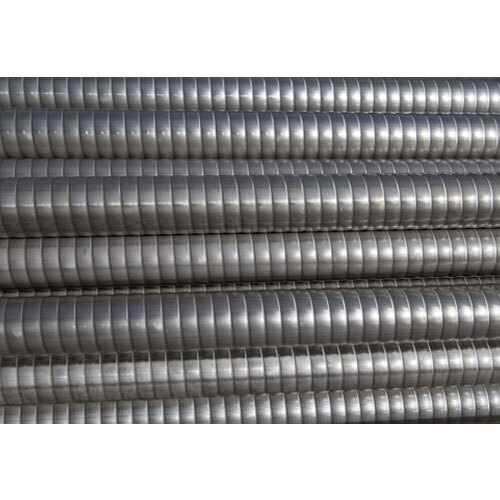
| Tubes/Plates | Carbon steel, stainless steel, alloys |
| Casing | Mild steel or insulated metal |
| Seals (in rotary APH) | High-temperature rubber or metal |
Advantages
- Improves boiler/furnace efficiency by up to 10%
- Lowers fuel usage
- Reduces harmful emissions (CO, NO)
- Enhances combustion stability
Common Problems
- Soot and ash fouling (needs regular cleaning)
- Corrosion from acidic flue gas condensation
- Leakage between air and gas sides (especially in rotary types)
Applications
- Thermal power plants
- Cement kilns
- Steam boilers
- Gas turbines
- Industrial furnaces
FAQs of Air Preheater (APH):
Q: What is the primary use of the Air Preheater (APH)?
A: The Air Preheater (APH) is primarily used for preheating air in industrial processes to improve combustion efficiency and energy savings.
Q: What voltage does the Air Preheater operate at?
A: The APH operates at 220 volts, ensuring reliable performance in standard industrial setups.
Q: Is the Air Preheater suitable for heavy-duty applications?
A: Yes, the Air Preheater is specifically designed for industrial use, making it suitable for demanding operations.
Q: Can this device be installed in older systems?
A: Yes, the standard size of the APH allows for seamless integration into various existing systems.
Q: What is the color and condition of the product?
A: The Air Preheater comes in a sleek grey color and is delivered in brand-new condition.







 Send Inquiry
 Send Inquiry
 Call Me Free



 English
 Spanish
 French
 German
 Italian
 Chinese (Simplified)
 Japanese
 Korean
 Arabic
 Portuguese